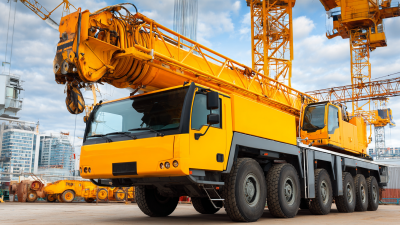
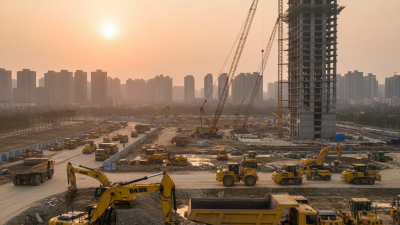
As the global construction and mining scenes keep changing, it’s pretty clear that the demand for innovative Heavy Machinery is on the rise. I mean, if you look at the latest report from Market Research Future, they’re forecasting the market to grow at around 6.5% annually from 2021 to 2026. A big part of this boost comes from new tech advancements and the surge in infrastructure projects happening all over the globe. Major players like Caterpillar Inc. and Komatsu Ltd. are constantly upgrading their machinery to keep up with the high standards and efficiency everyone’s expecting.
Come 2026, buyers are going to have quite a few options, especially since the economy and sustainability trends are really starting to influence choices. A lot of companies are leaning toward eco-friendly heavy machinery—that’s a trend we’re definitely seeing more of. Take Volvo CE, for example—they’re investing heavily in electric machines because governments everywhere are pushing for lower emissions. But hey, trying out new tech isn’t always smooth sailing. Companies have to carefully weigh the costs versus what these machines can do—upgrading isn’t always straightforward.
On top of that, while manufacturers are working hard to boost productivity, there can be hiccups when it comes to integrating new technology. It’s crucial for companies to make sure their workers are properly trained and comfortable using these new tools. As we near 2026, having a solid strategy in place will be more important than ever for anyone navigating the complicated world of Heavy Machinery.

The Importance of Heavy Machinery in Global Trade Landscapes
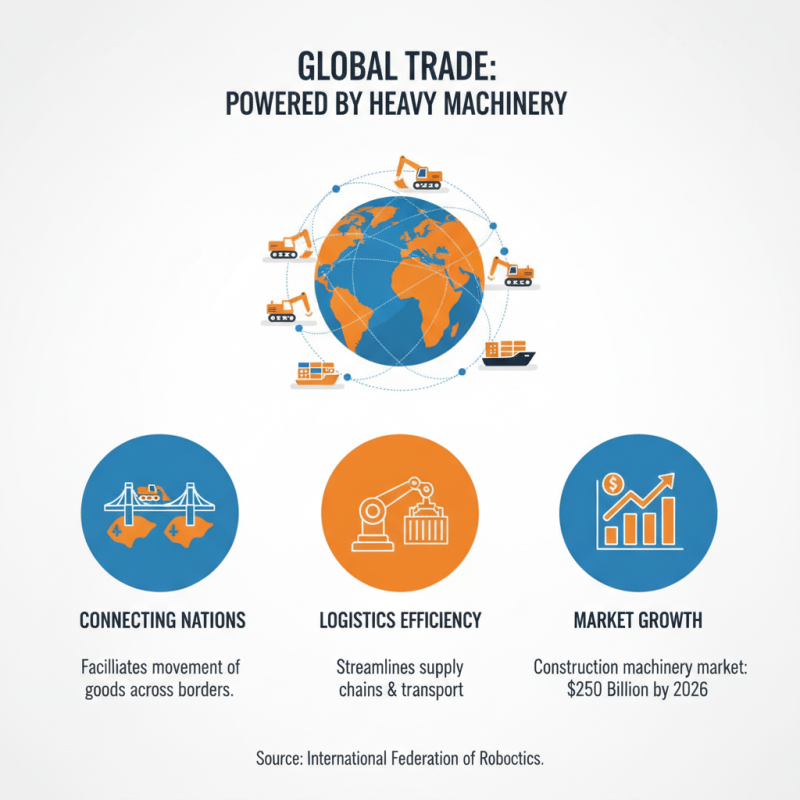
Heavy machinery plays a crucial role in global trade. It connects countries and facilitates the movement of goods. According to the International Federation of Robotics, the global market for construction machinery alone is expected to reach $250 billion by 2026. This statistic highlights the growing reliance on heavy equipment for efficient logistics.
In addition to scaling production, heavy machinery also impacts economic growth. A report from the World Bank states that infrastructure investment can enhance productivity by up to 30%. However, the need for sustainability is pressing. Heavy machinery must evolve to meet environmental standards. Current machines often contribute significantly to emissions, raising questions about their long-term viability.
Investment in newer, greener technologies is essential. These innovations can minimize environmental harm while improving efficiency. The challenge lies in balancing cost and sustainability. Many companies still hesitate to invest in advanced technologies, fearing implications on their profit margins. Addressing this concern will be vital as we look towards the future of heavy machinery in global trade.
Key Factors Influencing the Heavy Machinery Market in 2026
The heavy machinery market in 2026 will be shaped by several critical factors. Economic growth will play a pivotal role. According to a report by GlobalData, global construction output is expected to increase by over 5% annually. This uptick in construction will drive demand for
Heavy Equipment Machinery, particularly in emerging markets.
Technological advancements will also significantly influence the market. Automation and telematics are revolutionizing operations. A McKinsey study indicated that smart machinery can increase productivity by up to 20%. However, integrating these advanced technologies requires significant investment. Many companies may struggle to keep pace with these changes.
Sustainability is a growing concern, too. As regulations tighten globally, machinery that meets eco-friendly standards will become essential. A report by ResearchAndMarkets highlights that green technology adoption in heavy equipment machinery is projected to rise to 50% by 2026. Businesses must balance compliance with profitability, creating challenges in investment strategies. Therefore, while the future of the heavy machinery market looks promising, it is not without its hurdles.
Top Heavy Machinery Brands for International Buyers
As global construction and infrastructure needs rise, heavy machinery plays a pivotal role. 2026 is shaping up to highlight top brands that offer reliability and performance. Reports indicate that the global heavy machinery market is expected to reach $200 billion by 2026. Key segments include excavators, loaders, and cranes, which are essential for numerous projects worldwide.
Leading heavy machinery brands emphasize innovation and sustainability. Recent studies show that advanced automation can enhance efficiency by 30%. Buyers should prioritize machinery with better fuel efficiency and lower emissions. Reliability remains crucial, as machine downtime can cost companies significantly. According to industry analysis, the average downtime can lead to losses of up to $500,000 per project.
However, obtaining the best machinery isn't without challenges. Cost pressures and supply chain disruptions can hinder accessibility. Buyers often struggle to balance quality with budget constraints. In markets with rapid growth, it's critical to remain adaptable. International buyers should consider local regulations and support as part of their machinery selection process. Staying informed about emerging technologies can ensure informed decisions.
Best Heavy Machinery for Global Buyers in 2026
The chart below illustrates the projected distribution of heavy machinery types preferred by international buyers in 2026. The data reflects the increasing demand for excavators, bulldozers, and cranes among global markets.
Innovations in Heavy Machinery Technology Ahead of 2026
As the heavy machinery industry prepares for 2026, innovations will redefine operational efficiency. According to a recent report by Global Industry Analysts, the heavy machinery market is expected to reach USD 250 billion by 2026. Technological advancements, such as AI and automation, are facilitating improved productivity and safety.
Automation technology is transforming traditional practices. Machines equipped with AI capabilities can now perform tasks with minimal human intervention. This not only reduces labor costs but also lowers error rates. Automatic load management systems can optimize material flow, enabling more efficient project timelines. However, reliance on technology raises concerns about workforce displacement and skill gaps in the industry.
Telematics is another key innovation. This technology allows real-time tracking of machinery performance. According to a study by Statista, companies leveraging telematics see a reduction in operational costs by up to 20%. Nonetheless, data security remains a significant challenge. As operators collect sensitive information, the industry must prioritize cybersecurity to protect against potential breaches. Addressing these vulnerabilities is essential for sustainable growth in the heavy machinery sector as we move towards 2026.
Best Heavy Machinery for Global Buyers in 2026? - Innovations in Heavy Machinery Technology Ahead of 2026
| Type of Machinery |
Key Innovations |
Sustainability Features |
Expected Market Growth |
| Excavators |
Enhanced hydraulic systems, AI-based excavation |
Lower emissions, fuel-efficient engines |
7% annually through 2026 |
| Bulldozers |
Smart control systems, remote operation |
Use of recycled materials in production |
5% annually through 2026 |
| Loaders |
Integration of IoT technologies, automated loading |
Hybrid energy sources, reduced noise pollution |
6% annually through 2026 |
| Cranes |
Data analytics for load management, enhanced safety features |
Energy-efficient designs, solar power options |
8% annually through 2026 |
Sustainability Trends Shaping Heavy Machinery Purchases
Sustainability is reshaping the heavy machinery market. Buyers in 2026 will prioritize eco-friendly options. Energy-efficient machinery reduces operating costs and minimizes environmental impact. Manufacturers are focusing on electric and hybrid models. These innovations will become essential for buyers seeking sustainability.
Investing in sustainable machinery presents challenges. Many buyers struggle to understand the long-term benefits. It requires a shift in mindset and operations. The transition may lead to higher initial costs. However, firms must view it as an investment for future savings and reduced environmental footprints.
**Tips:** When selecting heavy machinery, consider energy ratings carefully. Evaluate the total cost of ownership rather than just upfront cost. Collaborating with experienced Heavy Machinery Movers can provide insights into efficient equipment that meets sustainability goals. Emphasizing reliable maintenance and operations will also enhance the benefits of green machinery.
Economic Considerations for Global Buyers of Heavy Machinery
When considering the purchase of heavy machinery in 2026, economic factors play a crucial role. The global market is evolving, and understanding trends can benefit buyers immensely. Prices can fluctuate based on demand, supply chain stability, and geopolitical issues. Buyers need to stay informed about these dynamics to make educated choices.
Tips: Research current market trends. They can help you anticipate price shifts. Analyze your budget carefully. Make sure to factor in maintenance costs and potential training expenses for staff.
Investing in heavy machinery requires a Heavy Machinery License in many regions. Ensuring compliance with local regulations is vital. Lack of proper licensing can lead to costly penalties and project delays. It’s wise to prioritize this aspect during your procurement process.
It’s important to consider the longevity and reliability of the machinery. Some equipment may seem cheaper but can incur hidden costs over time. Regular maintenance and operational efficiency must be factored into your overall investment strategy. Balancing initial purchases with long-term operational costs can be challenging, yet it is essential for sustainable growth.
Regional Considerations for Sourcing Heavy Machinery in 2026
In 2026, regional considerations for sourcing heavy machinery will be crucial. Various areas present distinct challenges and opportunities. Understanding these factors can lead to better procurement strategies. For instance, supply chain disruptions may arise in certain regions. Evaluating logistics and local regulations is essential for seamless operation.
Heavy Machinery Transport will also vary significantly across different locations. Some regions have advanced infrastructure that supports heavy loads. Others may lack this capability, leading to increased costs and delays. Choosing the right transport method is critical. Buyers must assess the terrain, distances, and accessibility.
Moreover, sourcing machinery from regions with a solid reputation for quality is vital. However, this comes with its complexities. Cost fluctuations, customs issues, and political stability play pivotal roles in decision-making. Conducting thorough research and establishing local partnerships could mitigate risks. Adapting to local constraints and leveraging regional strengths may prove beneficial. Continuous monitoring of global trends will be key.
Maximizing Efficiency: The Importance of Choosing the Right Bearings for ZL50GN, LW500FN, and XC MG Loaders
When it comes to maximizing efficiency in construction and heavy machinery, the importance of selecting the right bearings cannot be overstated. For loaders like the ZL50GN, LW500FN, and XC MG, the bearings serve as critical components that directly influence the overall performance of the equipment. An optimal choice of bearings allows for smoother operation, reduced wear and tear, and ultimately improves productivity on the job site.
One specific option is the original 800511379 bearing, which stands out for its high-quality construction. This bearing is not only available at a favorable price but also enhances machinery responsiveness significantly. Its robust design ensures that it can withstand heavy loads and operate effectively under challenging conditions, making it an essential part of the loader's mechanical system. Investing in reliable bearings fosters greater machine reliability, leading to fewer breakdowns and less downtime, which is vital for any operation prioritizing efficiency.
Choosing the right bearings is more than just a cost consideration; it directly impacts the efficiency and longevity of your machinery. By implementing components like the 800511379 bearing, machinery operators can experience enhanced performance, resulting in more efficient workflows and improved outcomes in their projects. Thus, careful selection of bearings emerges as a strategic decision for achieving operational excellence.
FAQS
: Innovations like AI and automation are redefining productivity and safety in the heavy machinery sector.
Automation reduces labor costs by allowing machines to perform tasks with minimal human intervention.
Telematics enables real-time tracking of machinery performance, leading to reduced operational costs by up to 20%.
The reliance on technology raises concerns about workforce displacement and skill gaps that may develop.
Different regions have unique challenges, such as supply chain disruptions and varying local regulations affecting procurement.
Choosing the right transport method is crucial due to terrain, distances, and accessibility variations in different locations.
Conducting thorough research and forming local partnerships can help buyers navigate complexities and risks in sourcing.
As companies collect sensitive information through telematics, prioritizing cybersecurity is essential to protect against breaches.
Addressing data security vulnerabilities and continuously monitoring global trends are vital for sustainable growth in the sector.
Costs, customs issues, and political stability can complicate the process, requiring careful evaluation of regional strengths.
Conclusion
The article "Best Heavy Machinery for Global Buyers in 2026?" highlights the critical role heavy machinery plays in shaping global trade dynamics. It discusses the key factors that will influence the heavy machinery market in 2026, including technological advancements and sustainability trends that are increasingly affecting purchasing decisions. As global buyers navigate this complex landscape, understanding economic and regional variations will be essential for making informed procurement choices.
Moreover, the article emphasizes the importance of innovation in heavy machinery technology, predicting that advancements will drive efficiency and performance in construction and industrial sectors. With sustainability at the forefront, buyers are urged to consider eco-friendly options that align with evolving industry standards. Overall, this overview serves as a crucial guide for international customers looking to invest wisely in heavy machinery amidst changing economic and environmental contexts.

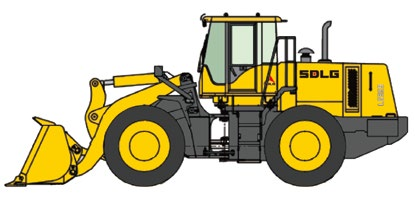 Wheel Loader
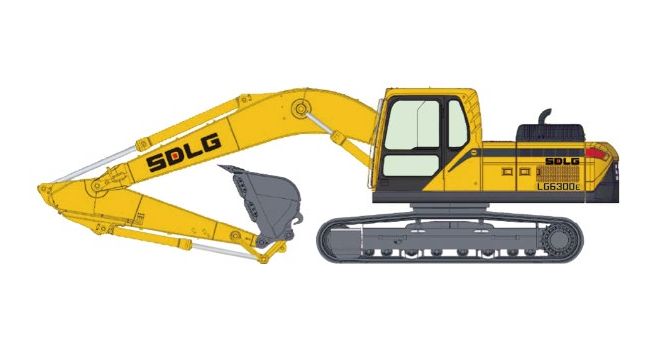 Excavator
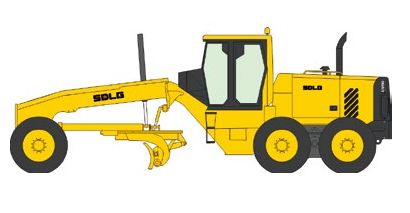 Motor Grader
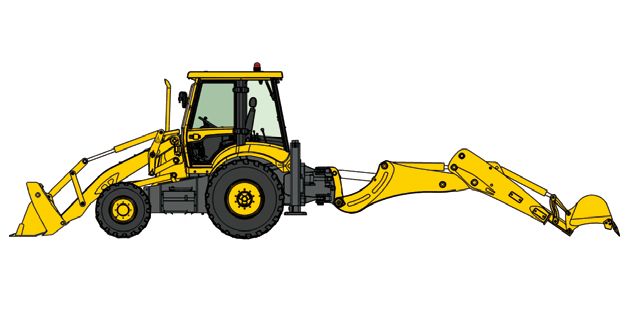 Backhoe Loader
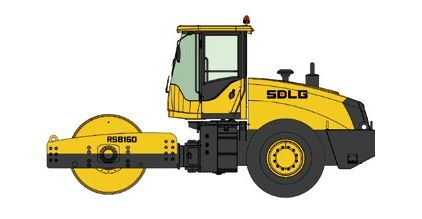 Road Roller
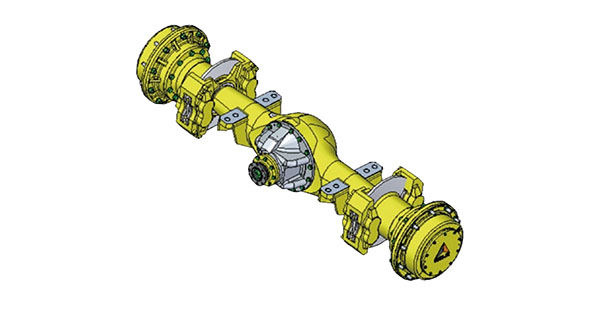 Spare Parts