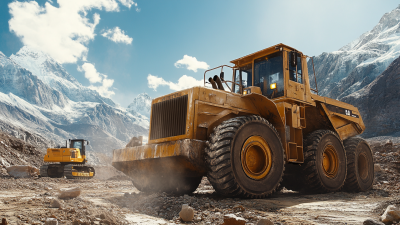
You know, with more and more jobs opening up for skilled Heavy Machine Operators, anyone looking to get into the field really needs to have the right skills and knowledge under their belt. According to the
Bureau of Labor Statistics, employment for construction equipment operators is expected to jump by about 10% between 2022 and 2032. This honestly makes sense given all the ongoing construction projects and infrastructure work popping up everywhere.
A company like Linyi Weiman Import and Export Co., LTD., based in Linyi City, Shandong province, gets how important it is to have capable operators. They know that running heavy machinery like wheel loaders, backhoe loaders, and excavators isn’t just about moving dirt – it’s about doing so safely and efficiently. For individuals wanting to get ahead, focusing on honing your skills and sticking to the best practices in the industry can really open doors. In this competitive job market, being experienced and confident in your abilities can make all the difference and help you stand out among the crowd.
Identifying Key Skills Needed for Heavy Machine Operation
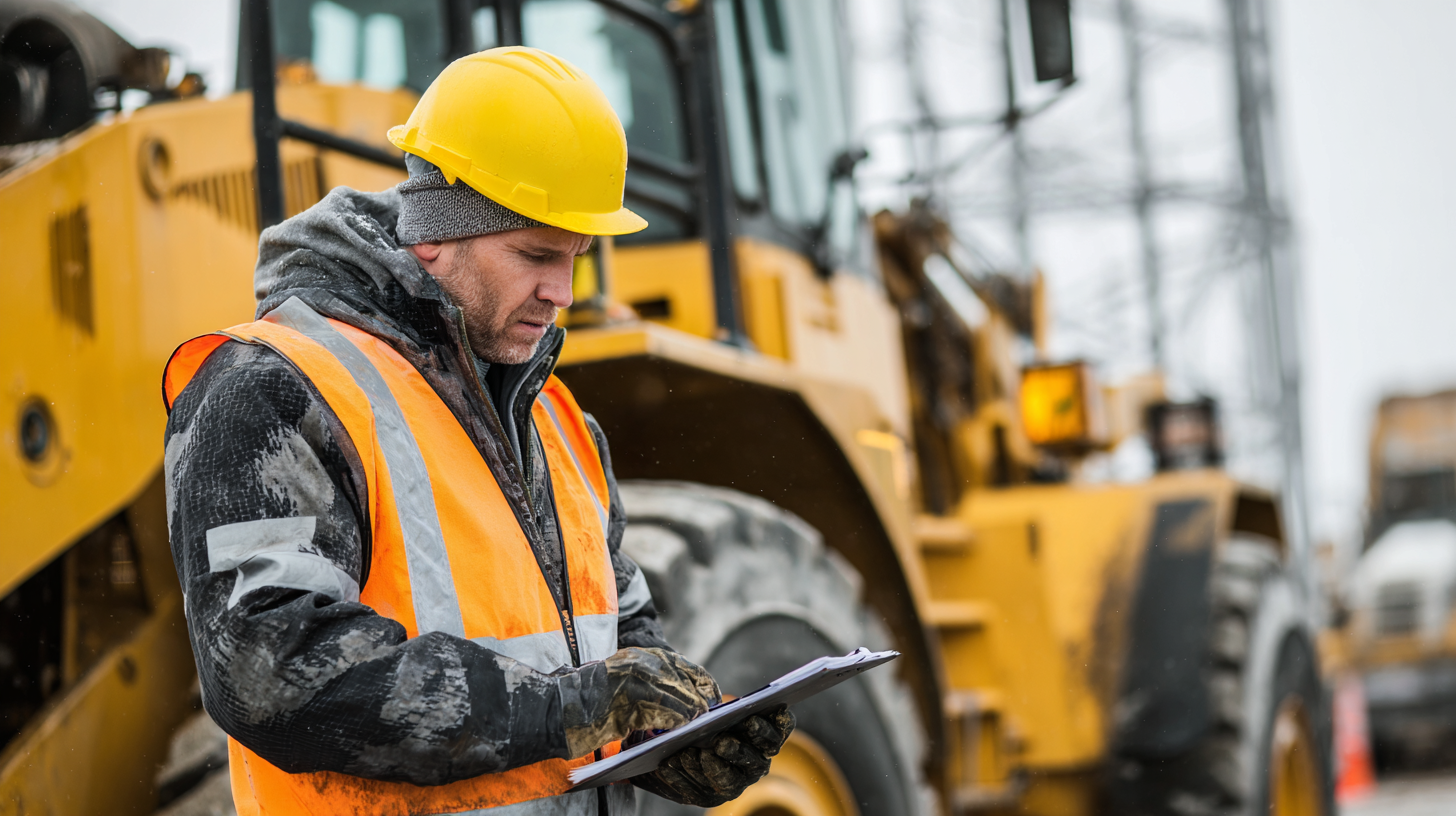
So, if you really wanna become a skilled heavy machine operator, the key is to focus on developing a few really important skills that boost both your efficiency and safety on the job. First off, being technically proficient is a must. You should get comfortable with different types of heavy equipment like excavators, bulldozers, and cranes. Knowing how these machines work — including routine maintenance and troubleshooting — can seriously make a difference, helping you handle equipment better and avoiding unnecessary breakdowns.
Plus, having good spatial awareness and hand-eye coordination is critical when you're maneuvering big machines in tricky environments. It’s all about judging distances right, fitting into tight spots, and staying in control even when things get a bit stressful. And of course, knowing safety rules and protocols is a big deal. It’s not just about protecting yourself, but also keeping your coworkers safe and making sure the site runs smoothly. The more you keep learning and practicing these skills, the more confident you’ll become, and honestly, it can give you an edge when it comes to job opportunities.
So, yeah, it’s all about continuous learning and staying sharp — that’s the honest truth about becoming a pro in this field.
How to Become a Skilled Heavy Machine Operator in a Competitive Job Market
| Skill Category |
Key Skills |
Importance Level |
Certification Required |
| Operational Skills |
Excavation Techniques |
High |
Yes |
| Safety Knowledge |
OSHA Regulations |
Critical |
Yes |
| Technical Skills |
Machine Operation |
High |
Yes |
| Soft Skills |
Communication |
Moderate |
No |
| Mechanical Skills |
Maintenance and Repair |
High |
Yes |
Understanding the Importance of Certifications and Training Programs
If you're looking to become a skilled heavy machine operator these days, getting the right certifications and training is pretty much essential. Not only do these credentials boost your technical skills, but they also show employers you’re serious about safety and knowing your stuff when it comes to operating complex machinery. Lots of organizations offer specialized courses that cover everything—from basic techniques to advanced operational strategies. And let’s be honest, having that certification can really make you stand out from the crowd because employers tend to prefer candidates who have proven their skills through recognized programs.
Investing in proper training isn’t just about landing a job; it’s also about keeping up with the latest tech in construction equipment. At Linyi Weiman Import and Export Co., LTD, we totally get how crucial it is to equip operators with the know-how to handle heavy machinery safely and effectively. That’s why we support educational initiatives and promote certification programs—anything that helps build a strong, capable workforce ready for whatever the industry throws at them. Focusing on your professional growth through these kinds of educational opportunities really is a step toward a rewarding and successful career in heavy machine operation.
Gaining Practical Experience through Internships and Apprenticeships
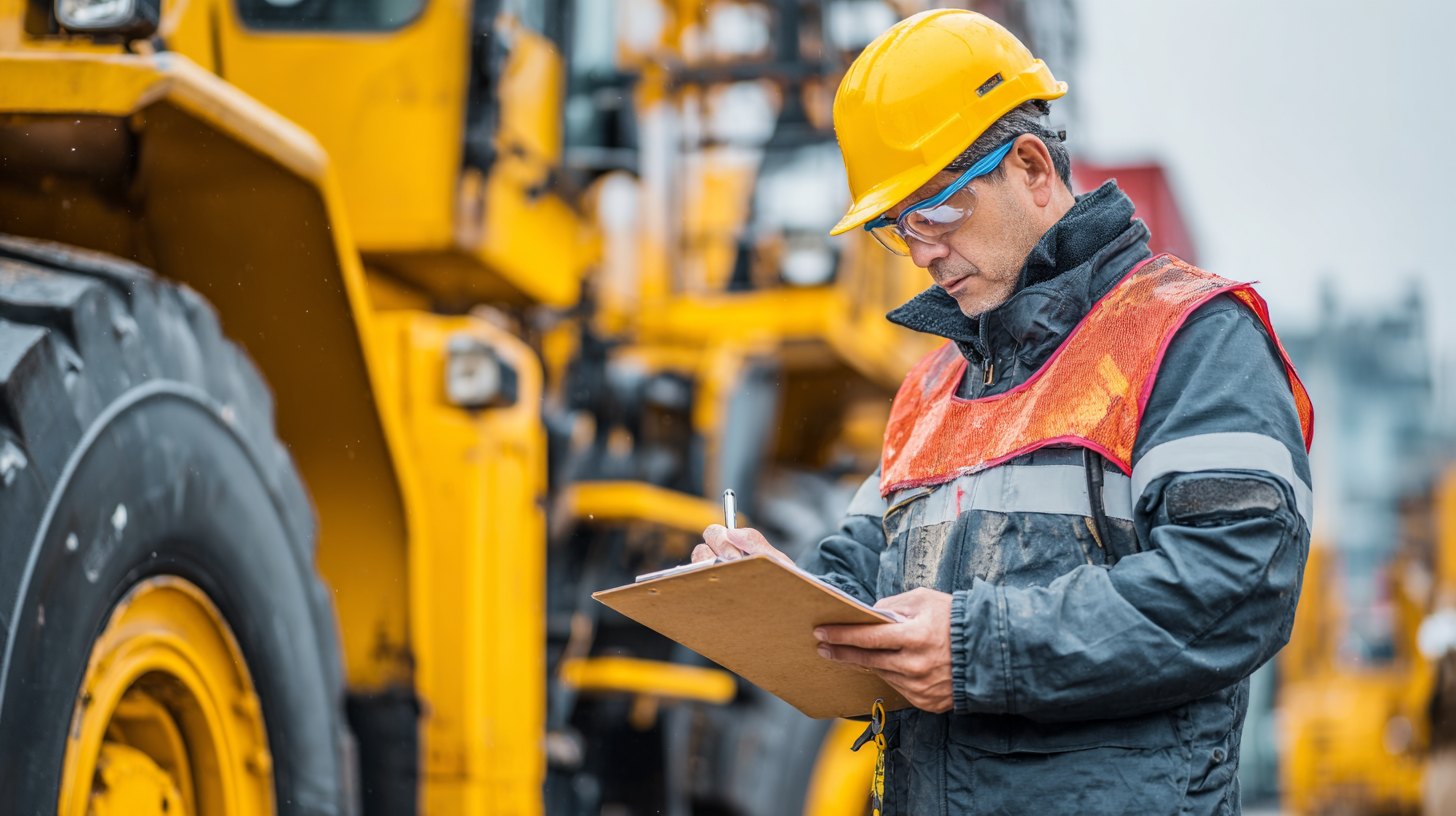
Getting hands-on experience through internships and apprenticeships is pretty much a must for anyone seriously looking to become a heavy machine operator, especially with how tough the job market is these days. I know a lot of students feel pretty unsure about whether these internships are worth it—like, will they really learn anything useful? But here’s the thing: structured programs, like those intensive summer training courses some universities offer, can actually make a huge difference. They give you a real taste of what it’s like to work in the field, putting you in situations that closely resemble what you’ll face on the job. That way, you’re not just reading about machinery—you’re actually learning how to operate it effectively, even under different conditions.
On top of that, diving into career development education can do a lot to boost your industry know-how and confidence. A lot of recent surveys show that students who get involved in these programs end up understanding industry trends better and picking up practical skills that employers are looking for. When schools team up with companies to offer mentorships and training opportunities, it’s pretty awesome—you’re not only building your resume but also gaining knowledge straight from seasoned pros. And honestly, this kind of experience makes you more attractive to employers because you already know how that heavy machinery works and what it takes to run it smoothly.
Networking Strategies to Connect with Industry Professionals
In today's tough job market, networking really is key if you're aiming to stand out as a heavy machine operator. The Bureau of Labor Statistics actually says that job opportunities in this field are expected to grow by about 10% from 2022 to 2032 — which, honestly, is pretty encouraging and faster than most other jobs out there. It just goes to show how important it is to connect with people in the industry who can offer advice, insider info, or even a heads-up about job openings.
Getting involved on platforms like LinkedIn or hitting up industry events can really boost your chances of getting noticed. Talk to seasoned operators and industry leaders — they can offer mentorship and tell you what skills and qualifications are hot right now. I came across this survey from the National Association of Heavy Equipment Training Schools, and it said that around 75% of jobs in this field come from referrals. So, by being proactive and networking, you're not just opening doors to new gigs — you're also staying in the loop on industry trends and best practices. It’s all about positioning yourself as someone who knows their stuff in this competitive world of heavy machinery work.
Staying Updated on Industry Trends and Technological Advancements
If you're aiming to become a skilled heavy machine operator, staying up-to-date with the latest industry trends and tech advancements is a must. Things in construction and manufacturing are changing fast—thanks to new machinery and automation, everything's evolving pretty quickly. It’s really important to get familiar with the latest gear, like those fancy new excavators or autonomous vehicles, so you can work more efficiently and keep safety on point. The good news is, there are tons of ways to keep learning—think workshops, online courses, or catching up on industry certifications. That hands-on experience and know-how can really make a difference when you’re trying to stand out.
Beyond just tech stuff, being aware of what's going on in the industry helps you predict how your job might change down the road. For example, more emphasis on eco-friendly practices and sustainability is slowly changing how machines are built and used. By keeping yourself in the loop on these trends, you can stay competitive and relevant—nobody wants to get left behind in this field. Plus, connecting with other pros and jumping into forums can give you insider info on what's coming next. All of these things together can help build a solid foundation for a successful career working with heavy machinery.
Crafting an Impressive Resume and Job Application for Machine Operators
Putting together a solid resume and job application is super important if you're aiming to land a heavy machine operator gig, especially with how competitive things are these days. According to the Bureau of Labor Statistics, the need for skilled machine operators is expected to grow by about 6% from 2021 to 2031—so there's definitely a steady demand for folks with the right skills. Don’t forget to highlight certifications like OSHA safety training or heavy equipment operator credentials — they can really make your resume stand out from the crowd.
A couple of quick tips: try to focus on showcasing tangible achievements, like ‘operated bulldozers to finish site grading two weeks early,’ because that kind of stuff really shows off what you can do. Also, using industry-specific keywords—think ‘excavation,’ ‘trenching,’ or ‘site management’—can help your application get past those applicant tracking systems that many companies use to filter incoming resumes.
And hey, don’t just talk about your technical skills in your cover letter. It’s also important to show you're committed to safety and working well with others—things that really matter in this field. A study by the National Association of Home Builders points out that operators who work safely and as part of a team are more likely to get promoted. In the end, a good application isn’t just a list of skills; it’s about showing your passion and that you're ready to tackle whatever challenges come your way.
FAQS
: Key skills include technical proficiency with various types of heavy machinery, strong spatial awareness, coordination, and knowledge of safety regulations and protocols.
Technical proficiency is crucial as it enables operators to understand the mechanics of machines, perform routine maintenance, troubleshoot issues, and reduce downtime.
Strong spatial awareness helps operators navigate large machines in complex environments, judge distances accurately, and maneuver within tight spaces while maintaining control under pressure.
Knowledge of safety regulations is vital to mitigate risks, protecting both the operator and coworkers, as well as maintaining job site integrity.
Aspiring operators can gain practical experience through internships and apprenticeships, which provide hands-on opportunities to engage in real-world scenarios.
Structured training programs offer invaluable hands-on experience, helping students effectively operate machinery in various conditions and prepare for industry challenges.
Career development education helps students understand industry trends and develop practical job skills, enhancing their job readiness and overall industry knowledge.
Partnerships create mentorship and training opportunities, allowing students to build their resumes and gain essential insights from experienced professionals in the field.
Students may doubt the quality and value of internships, unsure if their efforts will provide substantial learning opportunities.
Employers benefit as these candidates are often already familiar with the operational aspects of heavy machinery, making them more viable for hiring.
Conclusion
In today’s tough job market, becoming a skilled Heavy Machine Operator isn’t just about knowing your way around big equipment; it’s a mix of essential skills, proper certifications, and hands-on experience. If you’re aiming to get into this field, it’s really important to focus on key things like technical know-how, safety awareness, and problem-solving skills — you know, the things that actually make you stand out. Enrolling in reputable training programs and getting the right certifications can really give your resume a boost and open doors to more opportunities. Oh, and gaining practical experience through internships or apprenticeships? That’s where you get to apply all those skills in real-world situations, which definitely makes you more appealing to employers.
Networking can also be a game-changer—talking to industry folks can give you some great insights and maybe even lead to job opportunities. It’s equally important to stay in the loop with the latest industry trends and new tech — that way, you keep your edge in this competitive field. And let’s not forget, putting together a solid, tailored resume and cover letter that highlight your skills in heavy machinery can really help you land that gig. At Linyi Weiman Import and Export Co., LTD, we get how vital it is to have skilled Heavy Machine Operators onboard to meet the rising demand for advanced construction equipment — it’s all about investing in talent to stay ahead of the game.
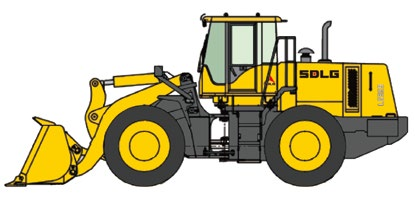 Wheel Loader
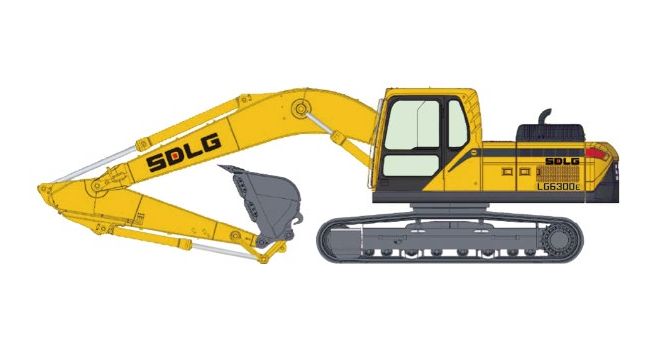 Excavator
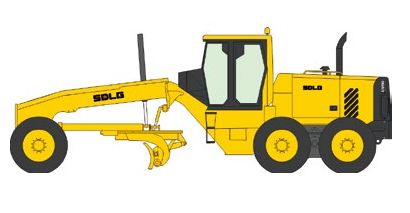 Motor Grader
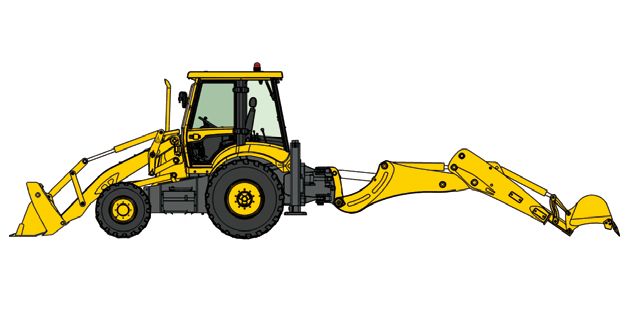 Backhoe Loader
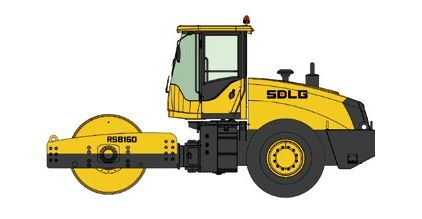 Road Roller
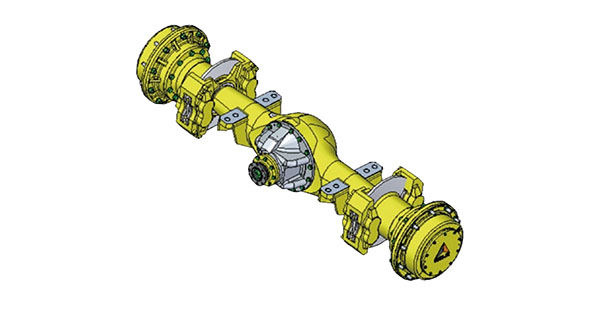 Spare Parts